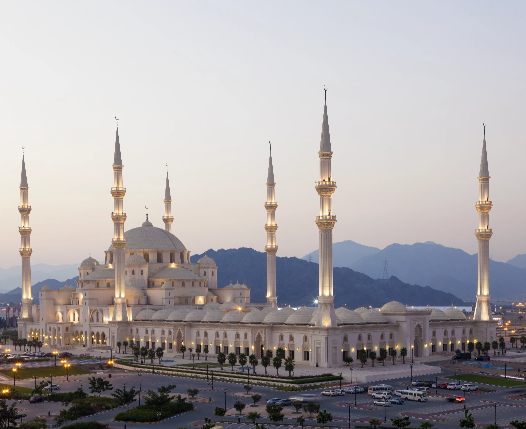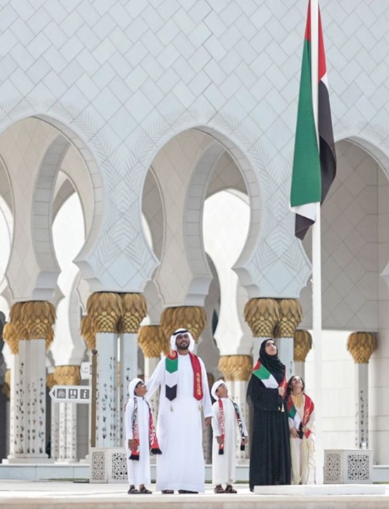




























Planea tu visita
Se parte de una enriquecida experiencia cultural

Nuestros servicios
Explora toda la variedad de servicios disponibles y asegurarte de disfrutar de una experiencia memorable.

E- Guía Multimedia
"EL - Dellel" es un dispositivo multimedia que enriquece la experiencia de los visitantes en la mezquita.

Programa religioso
Aprende sobre la amplia gama de programas religiosos organizados por el Centro.

Ubicación
Encuentra la ruta más corta a la Mezquita

RECITACIÓN DEL CORÁN DE LA GRAN MEZQUITA SHEIKH ZAYED
Surah Al - Baqarah
 DESCARGAR
 ESCUCHA MÁS
Calendario Hijri
VER CALENDARIOBiblioteca "Al Jami"
VISITA LA BIBLIOTECASouq Al Jami'
VISITA EL SOUQ
NOTICIAS Y MEDIOS
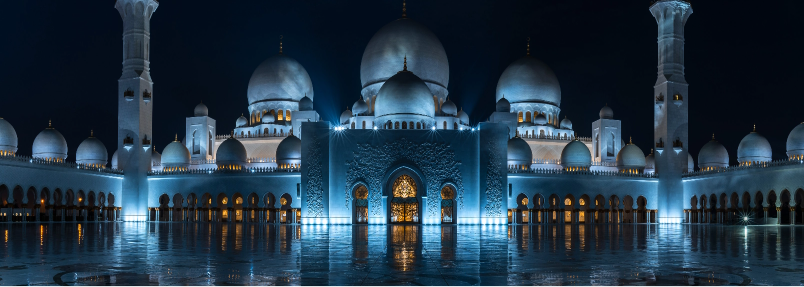
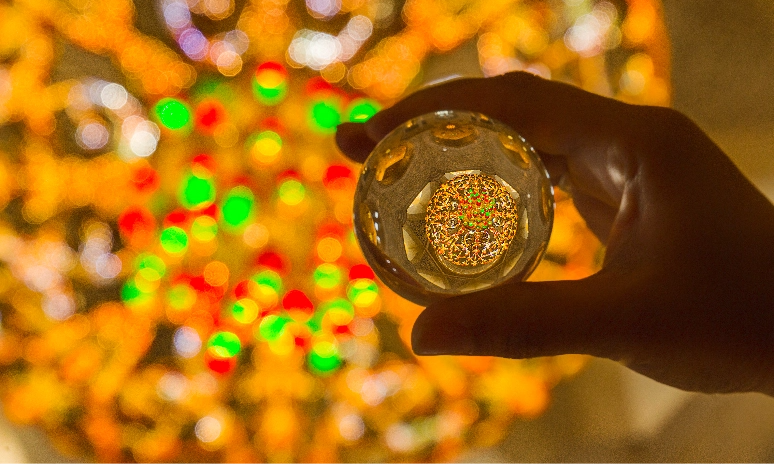
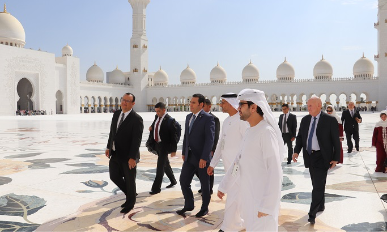
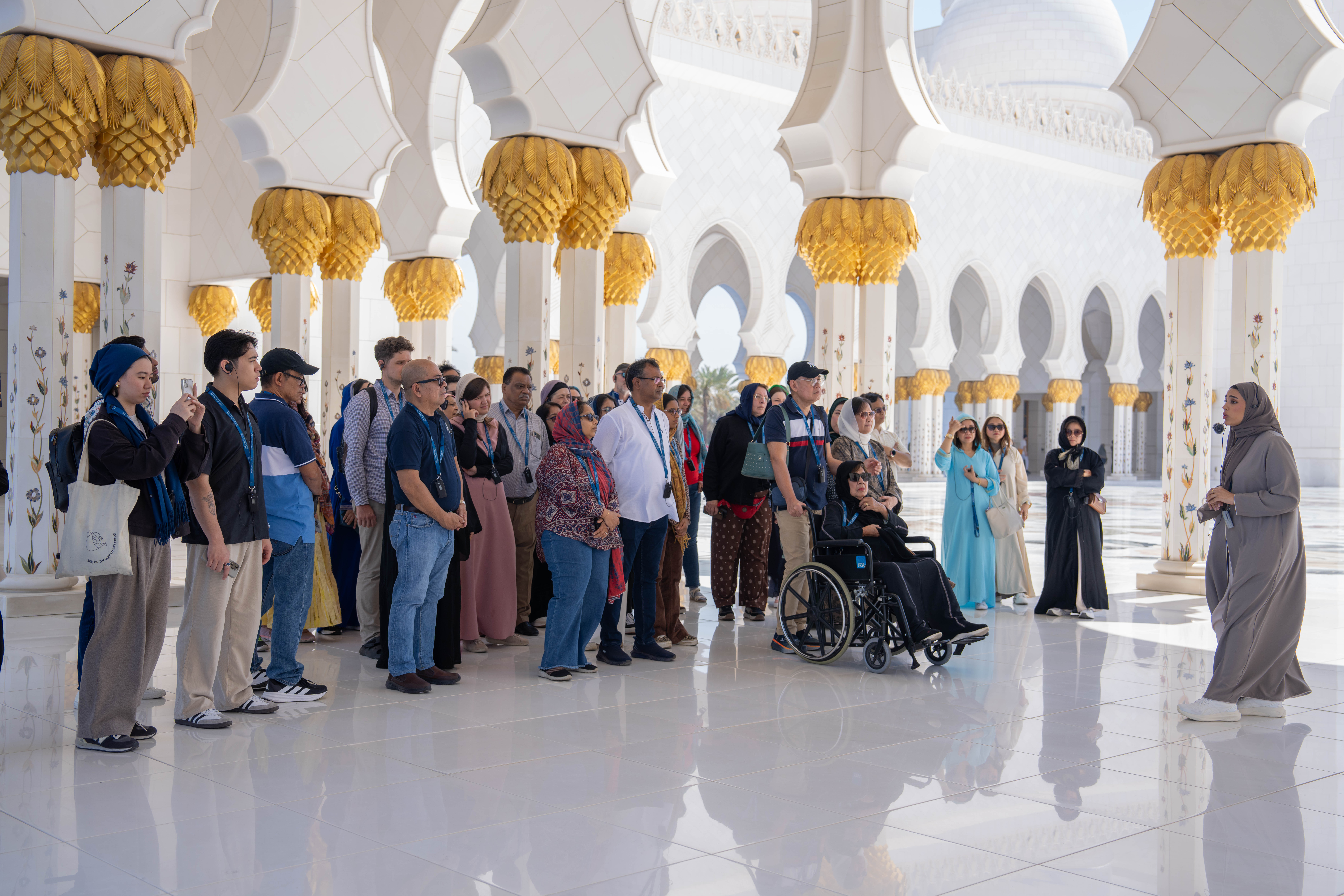
Sheikh Zayed Grand Mosque Centre Prepares to Welcome Its Guests with Interactive Experiences and Cultural Programs in a Joyful Eid Al‑Adha Atmosphere
The Sheikh Zayed Grand Mosque Centre is preparing to استقبال its guests during the Eid Al‑Adha holiday in an atmosphere that reflects the spirit of this blessed occasion and spreads joy among all. The Mosque is expected to welcome large numbers of worshippers performing Eid prayers and the five daily prayers, in addition to visitors from diverse cultures and backgrounds.
On this occasion, the Centre presents a rich array of cultural programmes and experiences aimed at enriching the visitor journey. Comprehensive operational preparations have been put in place to ensure the highest levels of readiness, providing a safe, seamless, and comfortable experience that facilitates smooth movement and ease of access. Visitors will enjoy an integrated package of services and experiences aligned with the objectives of the “Year of the Family,” reinforcing the Mosque’s position as a leading global religious and cultural destination.
Souq Al Jami’: An Ideal Leisure Destination for Families and Children
The Centre has curated a variety of experiences for guests of all backgrounds—particularly families and children—adding a joyful dimension that goes beyond the traditional visit to the Mosque. Among the highlights are the Eid Takbeerat, long associated with the spirit and joy of Eid for both young and old, which will be broadcast throughout the Mosque, the Peace Dome, and Souq Al Jami’ during the holiday.
In line with the “Year of the Family,” Souq Al Jami’ offers a vibrant destination where visitors can spend a full day in a lively and joyful setting. The Souq features more than 68 retail outlets, including restaurants, cafés, and entertainment spaces. Dedicated play areas for children offer opportunities for fun and engagement while families enjoy shopping, dining, and relaxation—especially at kiosks and restaurants overlooking the Mosque’s stunning exterior, offering a variety of culinary options.
A Rich Package of Cultural and Interactive Experiences
Visitors can look forward to an immersive journey at the “Light & Peace Museum,” which presents a sensory narrative that allows guests to interact with its content and fosters intercultural dialogue. The Museum showcases the cultural richness of Islamic civilisation across science, arts, and literature through innovative displays and multimedia installations. It comprises five main galleries offering a comprehensive and inspiring experience:
-
Tolerance – A Flood of Light
-
Sanctity and Worship – The Three Mosques
-
Beauty and Mastery – The Spirit of Creativity
-
Tolerance and Openness – Sheikh Zayed Grand Mosque
-
Unity and Coexistence
In addition to a dedicated family and children’s experience area.
Further enhancing the visit, the immersive “Diya – A World of Light” experience delivers a captivating 360-degree sensory narrative that communicates the Mosque’s cultural message through advanced visual storytelling techniques.
For those seeking knowledge and exploration, guests can join the Mosque’s cultural tours led by the Centre’s Cultural Tour Specialists in Arabic and English. These tours highlight the Mosque’s message and architectural splendour, rich in Islamic art and design that blends authenticity with creativity. During Eid Al‑Adha, the tours feature exclusive routes granting access to areas usually reserved for private tours, while also shedding light on the significance of Eid, its rituals and traditions, including Hajj and its values of unity and coexistence among people of diverse cultures. The tours also highlight Eid Takbeerat, the virtues of the first ten days of Dhul Hijjah, and authentic Emirati traditions such as Eidiya and social gatherings.
Tours run throughout the day in a simplified and culturally considerate format, offering families flexibility in choosing suitable timings. Additionally, the “Sura” night tours provide a unique perspective, revealing the Mosque’s serene atmosphere and the beauty of its lunar-inspired lighting system.
Visitors can also enhance their experience using the “Al Deleel” multimedia guide, which offers interactive tours in 14 languages, utilising augmented reality technologies in a modern and engaging format suitable for all ages.
At the end of their visit, guests can unwind at “Al Matil,” enjoying panoramic views of the Mosque from a new vantage point within comfortable and tranquil spaces ideal for photography, reflection, and relaxation. Visitors can also savour locally inspired beverages at the specialty coffee outlet and purchase distinctive souvenirs from the gift shop, exclusively designed to commemorate their visit.
Visiting Hours During Eid Al‑Adha Holiday
The Mosque welcomes visitors daily from 9:00 AM to 10:00 PM. On Fridays, visiting hours are from 9:00 AM to 12:00 PM, and from 3:00 PM to 10:00 PM. The “Sura” night tours operate from 10:00 PM to 9:00 AM. Souq Al Jami’ is open during the Eid holiday from 9:00 AM to 11:00 PM.
For more information, please visit: www.souqaljami.ae
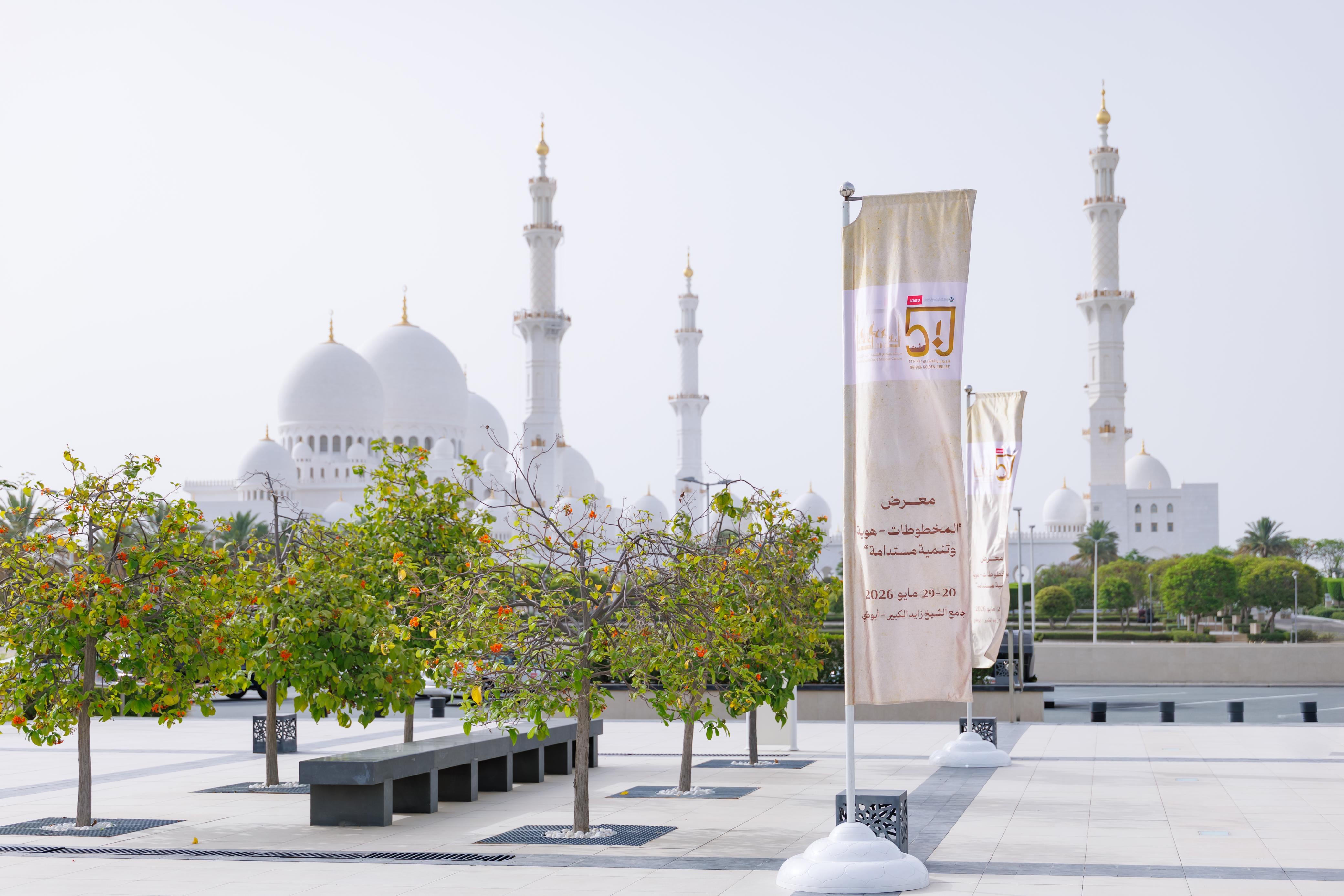
50 Rare Manuscripts from UAE University Collections Reflect the Scientific and Cultural Value of Manuscripts Across History Sheikh Zayed Grand Mosque Centre and United Arab Emirates University Organise 'Manuscripts – Identity and Sustainable Development' Exhibition
The Sheikh Zayed Grand Mosque Centre (SZGMC), in collaboration with the United Arab Emirates University (UAEU), is hosting the exhibition “Manuscripts – Identity and Sustainable Development”. This qualitative initiative highlights the University’s history and its five-decade legacy since its establishment by the Founding Father, the late Sheikh Zayed bin Sultan Al Nahyan, may his soul rest in peace.
Running until 29 May, the exhibition showcases 50 rare manuscripts that embody the scientific and cultural significance of manuscripts across history, as authentic sources of knowledge and a fundamental pillar in preserving scientific and cultural heritage. The exhibition was inaugurated on Wednesday, 20 May 2026, at the Visitor Centre in the Peace Dome at the Mosque, in the presence of His Excellency Dr Yousif Al Obaidli, Director General of SZGMC, and His Excellency Professor Ahmed Ali Al Raeesi, Vice Chancellor of UAEU, along with a number of academic and administrative leaders and students. The initiative reflects the depth of institutional collaboration between the two entities.
The themes of the 50 manuscripts on display, drawn from the collections of the UAEU Library, reflect a rich diversity of knowledge that embodies the values of science, innovation, and service to humanity.
His Excellency Professor Ahmed Ali Al Raeesi, Vice Chancellor of UAEU, affirmed that organising this exhibition in collaboration with SZGMC underscores the University’s commitment to preserving scientific and cultural heritage and enhancing its presence within the knowledge landscape. He noted that making rare manuscripts accessible to researchers and enthusiasts reinforces their role as primary sources documenting the evolution of science and knowledge throughout history. He also praised the pivotal role played by the Centre in preserving human heritage and presenting it through contemporary approaches that strengthen cultural identity.
His Excellency added: “These manuscripts represent a scientific and civilisational value that reflects the contributions of scholars across various fields of knowledge. They also highlight the profound connection between cultural identity, science, and innovation. UAEU, guided by its academic and knowledge mission, is committed to preserving this heritage and presenting it to future generations in a way that enhances awareness of our scientific history and supports the sustainability of knowledge as a pillar of development and future-building.”
For his part, His Excellency Dr Yousif Al Obaidli, Director General of SZGMC, emphasised that hosting this exhibition reflects the Centre’s cultural and knowledge-based role and aligns with the UAE’s vision to preserve cultural heritage. He noted that it builds on the series of exhibitions and museums organised by the Centre, complementing the role of UAEU as a leading national institution in safeguarding scientific heritage and enhancing its presence within the cultural sphere.
Such initiatives include the Light & Peace Museum, which offers a knowledge journey into the values of tolerance and coexistence through rare artefacts and immersive experiences, and the exhibition “Andalusia: History and Civilisation”, which introduced visitors to the scientific and artistic legacy of Al-Andalus. His Excellency added: “Manuscripts represent a civilisational legacy that reflects the contributions of Islamic civilisation across the ages and continue to serve as a source of intellectual inspiration. This complements the valuable collections housed in the Mosque’s Library, enhancing visitors’ connection to this rich heritage.”
LEE MÁS
Sheikh Zayed Grand Mosque in Abu Dhabi welcomes nearly 7 million guests in 2025, achieving its highest annual figure on record and marking a 4% increase year on year
- More than 4,000 cultural tours conveyed the message and culture of the United Arab Emirates, rooted in peace and coexistence across the world’s diverse cultures.
- The Mosque welcomed 1,890,144 guests—worshippers and visitors—during Ramadan and Eid Al Fitr.
- The Centre distributed 2,625,568 iftar and suhoor meals through the ‘Our Fasting Guests’ initiative.
The Sheikh Zayed Grand Mosque Centre received 6,846,723 guests in 2025, representing a 4% increase compared to 2024, and recording the highest annual figure in its history. The number of worshippers reached 1,531,192, including 257,859 who performed Friday (Jumu‘ah) prayers, 697,961 who performed daily prayers, and 575,372 who attended during Ramadan and the two Eids. The number of iftar guests reached 898,767, while the number of visitors totalled 4,331,046. Users of The Mosque Promenade reached 85,718.
Guests from outside the UAE comprised 82% of total visitors, while UAE residents represented 18%. Asia topped the list of guests by continent at 49%, followed by Europe at 33%, North America at 11%, Africa and South America at 3% each, and Australia at 1%.
By nationality, India ranked first at 20% of total guests, followed by China at 9%; Russia and the United States came third at 8% each. Germany, the United Kingdom, France, and Italy ranked fourth at 3% each, followed by the Philippines and Pakistan at 2% each.
Cultural tours and official visits
A total of 55,730 guests joined the cultural tours delivered by the Centre’s cultural tour specialists, across 4,031 tours. In addition, 21,988 guests were received as part of official delegations, with 1,564 bookings recorded. The Mosque also welcomed 335 high level delegations, including visits by 9 heads of state, 2 vice presidents, 4 state governors and 1 deputy governor, 8 sheikhs and princes, 12 prime ministers and 2 deputy prime ministers, 6 parliamentary speakers and 1 deputy speaker, 78 ministers, 25 deputy ministers, 51 ambassadors and consuls, 3 deputy ambassadors/consuls, one visit by religious denominations, 70 visits from the military sector, and 62 official visits by delegations from various entities.
During Ramadan and Eid Al Fitr, the total number of guests reached 1,890,144 (worshippers and visitors). Throughout the holy month and the Eid Al Fitr holiday, 594,236 performed prayers at the Mosque: 193,435 attended Isha and Taraweeh, 195,987 attended Tahajjud, 72,533 marked the 27th night of Ramadan, and 26,025 performed Eid Al Fitr prayer. During the same period, the Mosque received 391,011 visitors. Over the Eid Al Fitr holiday days, total guests reached 122,819, including 57,629 worshippers and 64,959 visitors—reflecting a 10% increase compared to 1445H.
‘Our Fasting Guests’ initiative
Through the ‘Our Fasting Guests’ initiative, the Centre distributed 2,625,568 iftar and suhoor meals, sponsored by the Zayed Humanitarian Legacy Foundation, and delivered in partnership with Erth Hotel. This included 898,767 meals at Sheikh Zayed Grand Mosque – Abu Dhabi, 442,345 meals at Sheikh Khalifa bin Zayed Grand Mosque in Al Ain, 1,160,000 meals in labour accommodations in Abu Dhabi, 105,935 meals in various areas across the Emirate of Abu Dhabi, and 19,000 suhoor meals distributed at the Mosque during the last ten nights of Ramadan.
Enriching cultural experiences
Throughout the year, the Centre continued enhancing guests’ experiences by developing its cultural tours and diversifying services, including the Souq Al Jami’ marketplace, ensuring varied experiences suited to different audiences. The Centre also strengthened its civilisational presence locally and internationally through initiatives such as ‘Minarets of the Two Capitals’ in Moscow as part of the Jusoor Program, and participation in the St. Petersburg International Forum of Religions.
The Light & Peace Museum welcomed 47,266 visitors, while Diya – A Universe of Light immersive experience received 45,699 visitors. The Al Jami’ Library welcomed 5,930 visitors. The Centre organised a range of cultural activations, including the Australian exhibition ‘Boundless Plains’, ‘Memory of Place’ in collaboration with the National Archives and Library, and ‘Artistic Features… Inspirations from Light & Peace’. It also delivered 16 cultural workshops involving 14 schools and 331 students, using innovative approaches to introduce them to the richness of Islamic culture.
The Centre further advanced its religious and cultural content by publishing 330 episodes across 12 knowledge series, including Kursi Al Jami’, Wamda Fiqhiyyah, The Most Beautiful Names of Allah, Minbar Al Jami’, Architecture and Arts, Gheras Al Qiyam, and Rare Books and Manuscripts. It launched an audio edition of “Houses of Allah: From the Great Mosque of Kairouan to Sheikh Zayed Grand Mosque”, alongside translated versions in Spanish, French, and Mandarin, in addition to publishing “Light & Peace” in support of the museum’s content, and the children’s story “Dīrat Al Durūr wa Al Tawāli‘”, which encapsulates ancestral knowledge. The Centre also continued its pivotal role in the Hijri calendar project, enriching the content of the 1447H edition on scholarly, Sharia, and astronomical foundations.
The Centre’s affiliated mosques
The Centre continued enriching the experiences of worshippers and visitors at its affiliated mosques, with guest numbers in 2025 recording notable growth compared to the previous year. Sheikh Khalifa Grand Mosque in Al Ain welcomed 1,032,320 guests, marking a significant 95% increase compared to 2024. Sheikh Zayed Grand Mosque in Fujairah received 660,110 guests, achieving a 10% increase. Meanwhile, the number of worshippers at Sheikh Zayed Grand Mosque in Ras Al Khaimah reached 147,348, reflecting a 35% increase compared to 2024—underscoring growing attendance at these religious and cultural landmarks and their expanding role in serving guests from diverse cultures.
Global standing and a stronger presence on the tourism and cultural landscape
These figures reflect the stature of Sheikh Zayed Grand Mosque – Abu Dhabi as one of the world’s most prominent religious, cultural, and tourism destinations, and its role in supporting Abu Dhabi’s cultural and tourism momentum by welcoming millions of guests annually, reinforcing the capital’s position as a global destination for civilisational dialogue and tolerance.
As part of ongoing efforts to elevate the guest experience and strengthen international visibility, the Centre achieved advanced positions among the world’s leading cultural and historical destinations, according to the travel and tourism platform Tripadvisor. The Mosque ranked 8th globally among the top 25 destinations worldwide,rising two places compared to last year, and maintained 1st place in the Middle East within the list of the region’s top ten landmarks.
LEE MÁS
DESTACADOS
Arquitectura Islámica
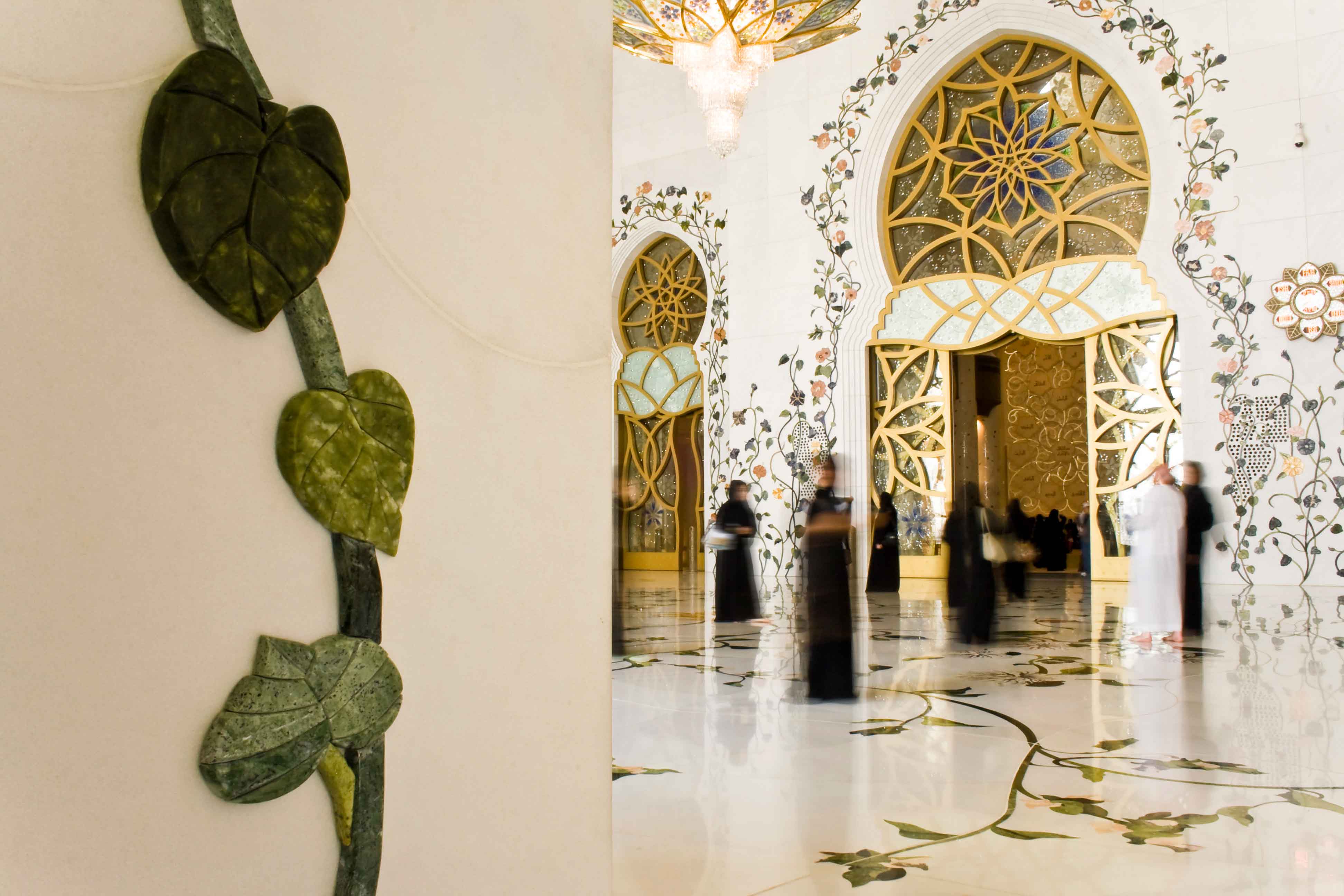
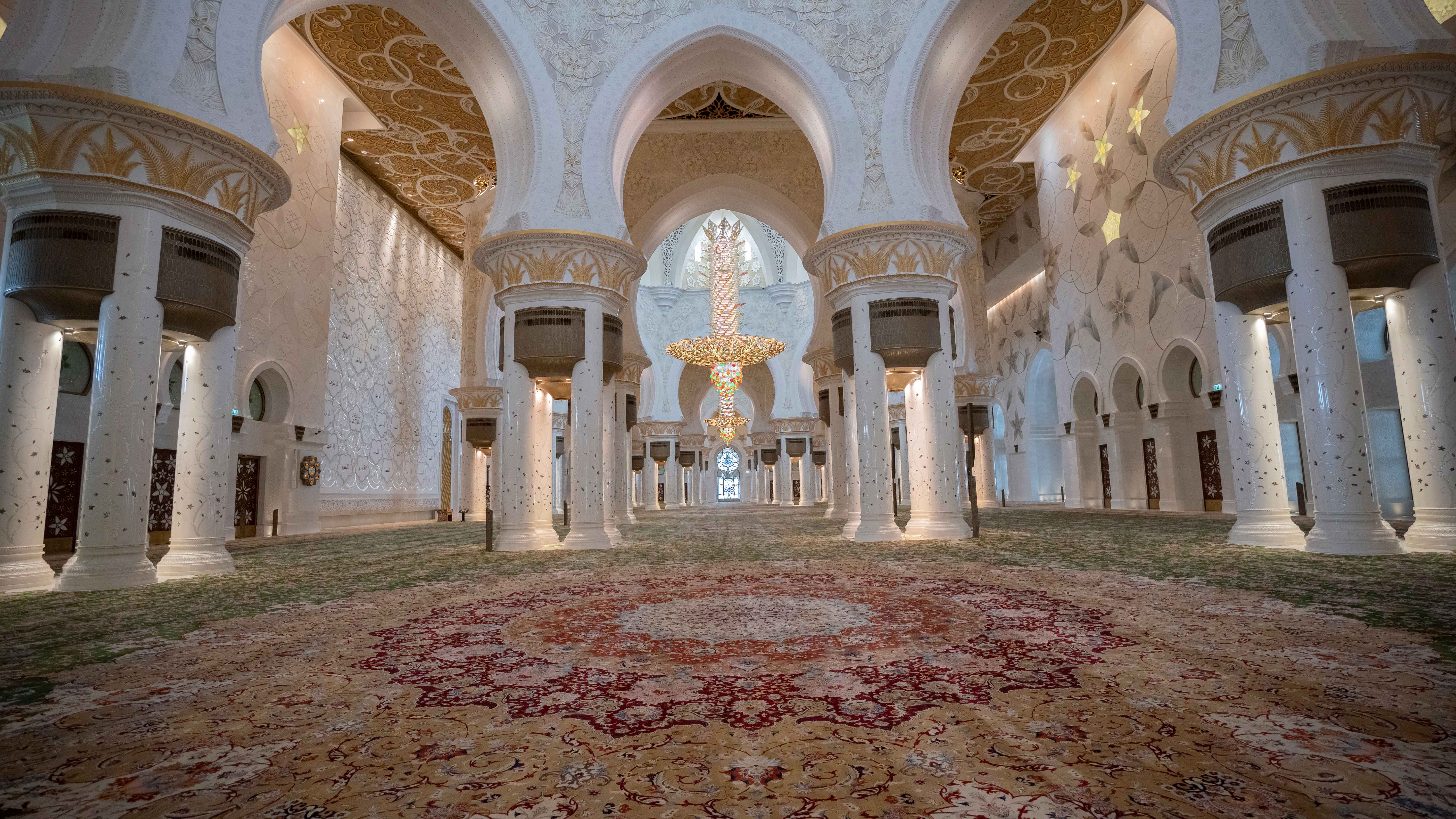
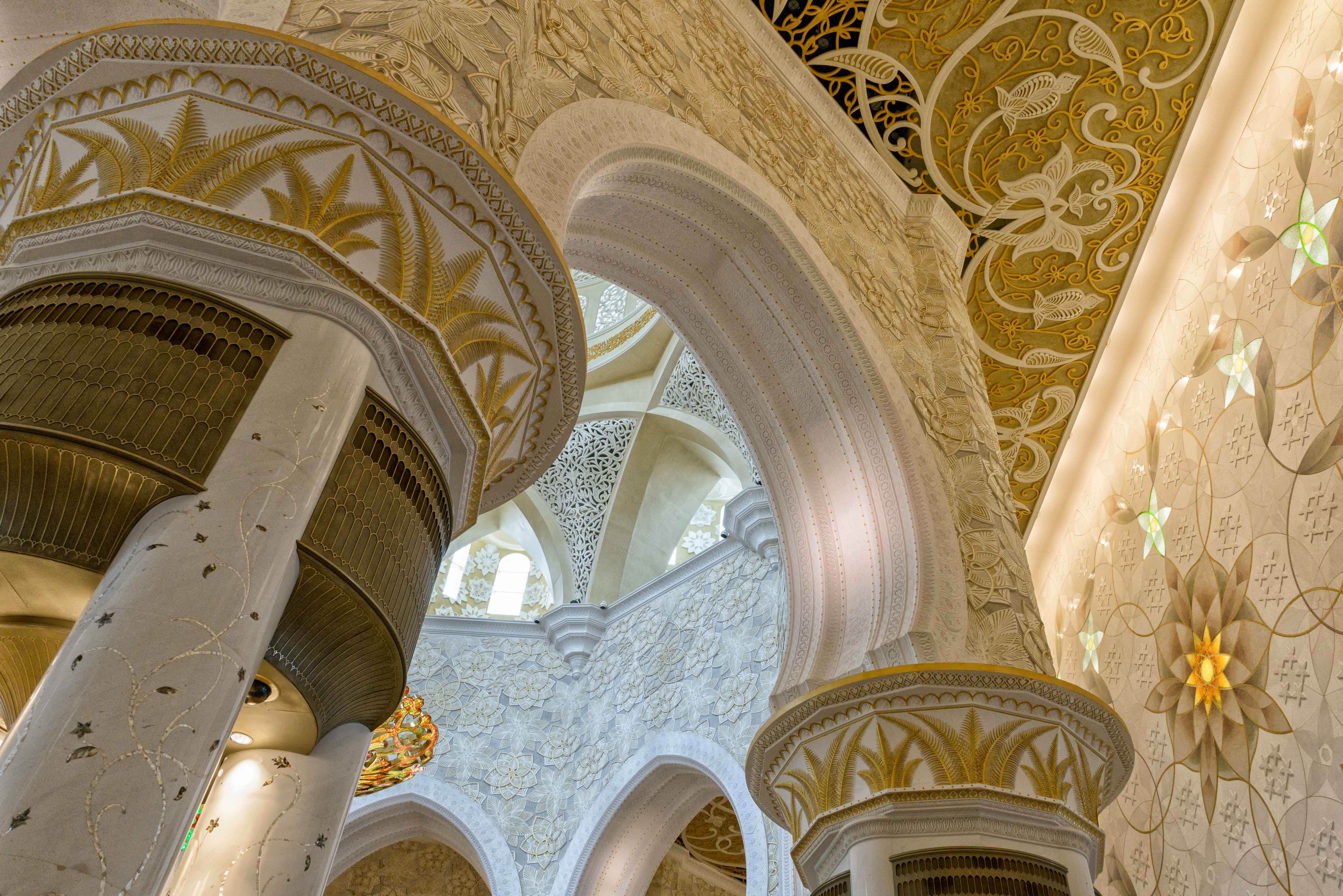
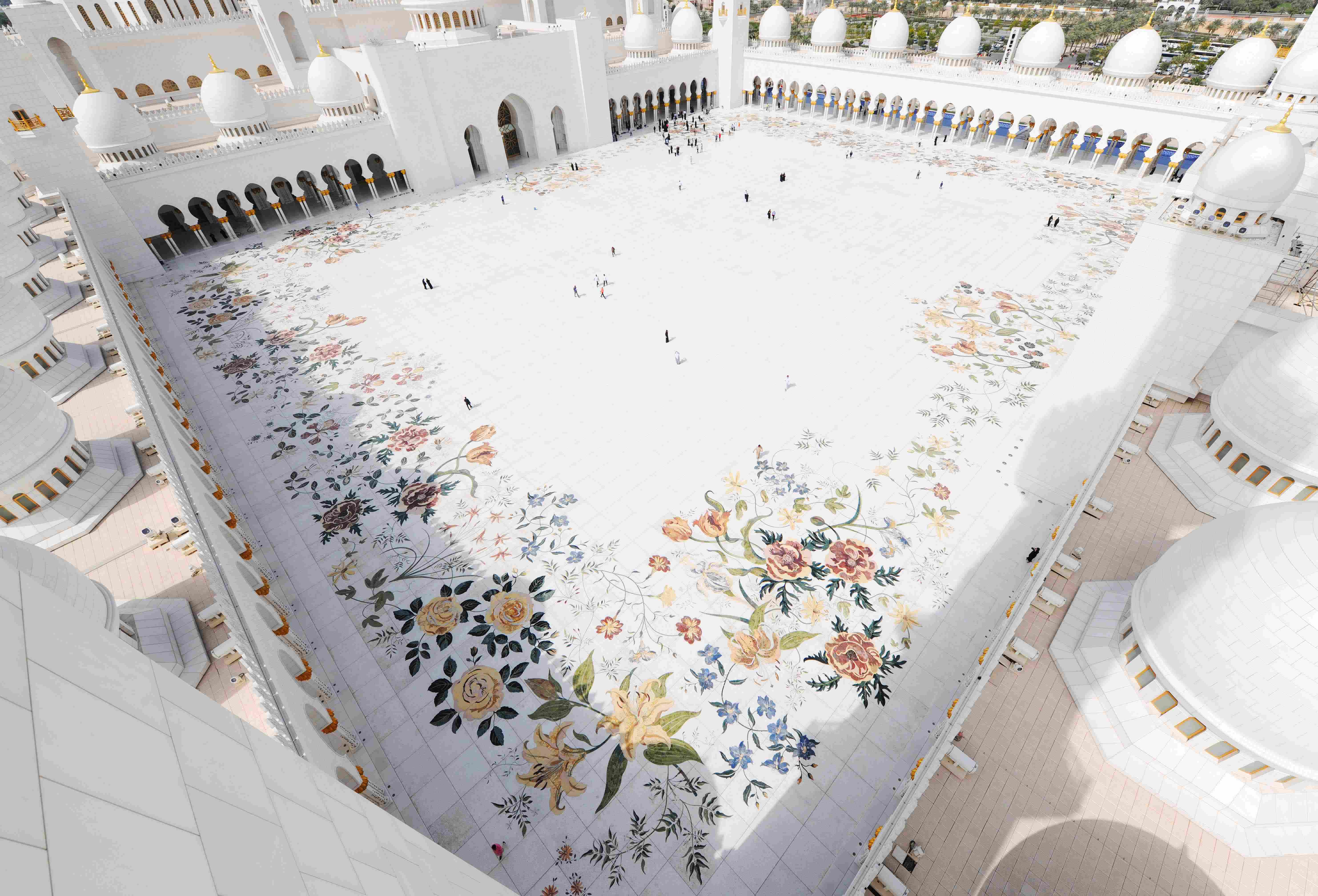
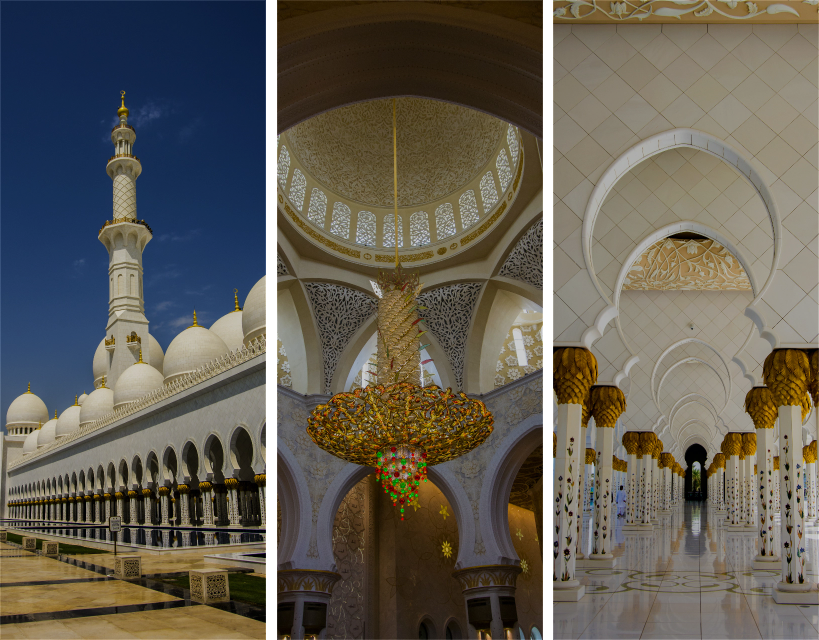
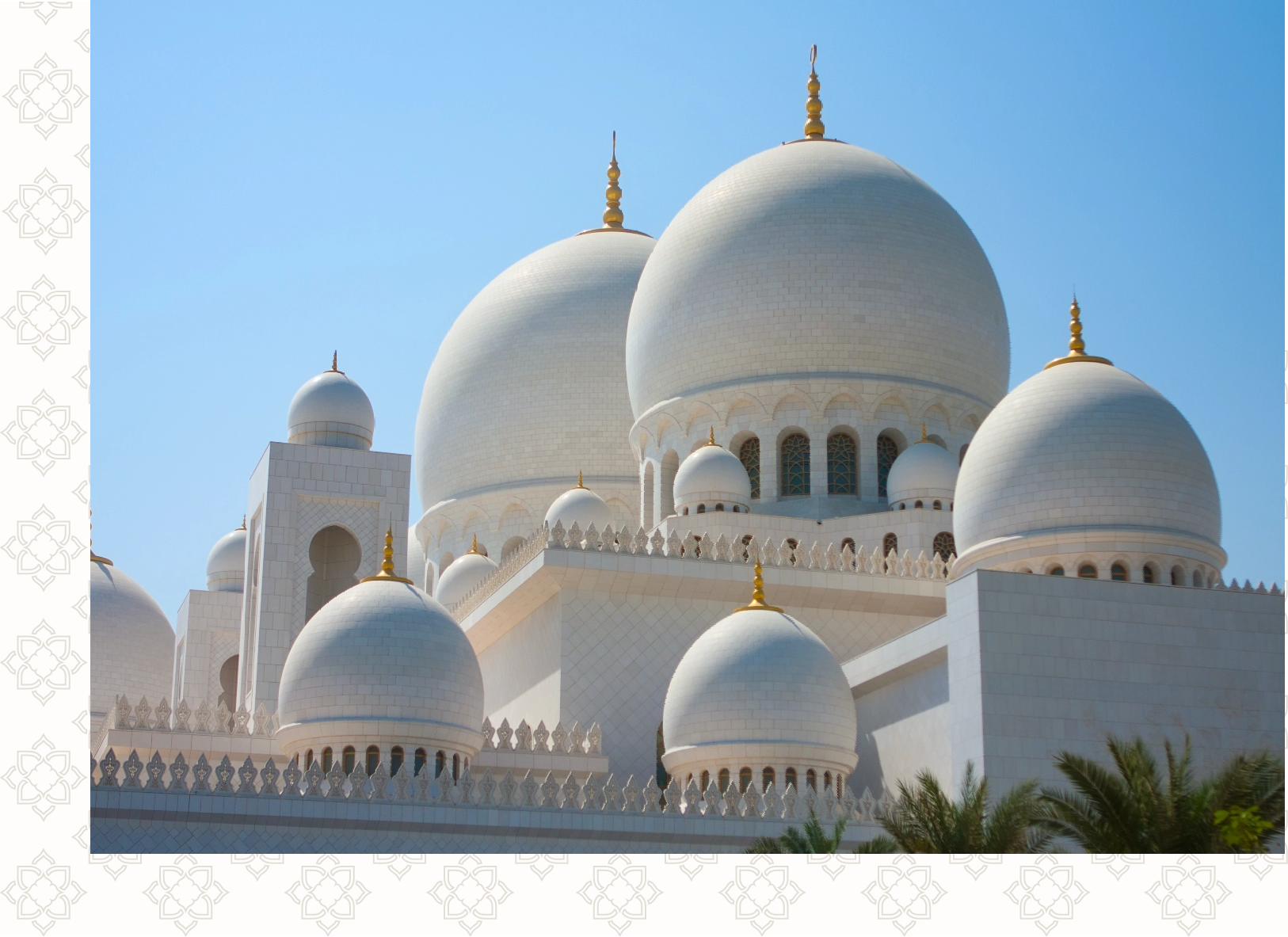
Los tours culturales guíados, complementarios del Centro de la Gran Mezquita Sheikh Sayed ofrece una educación cultural y una experiencia interactiva, haciendola una de las actividades más populares para todas las edades. El tour normal tiene una duración de 45 minutos aproximadamente y es pronunciado en árabe e inglés por guías de turismo cultural, especializados y calificados por el centro.
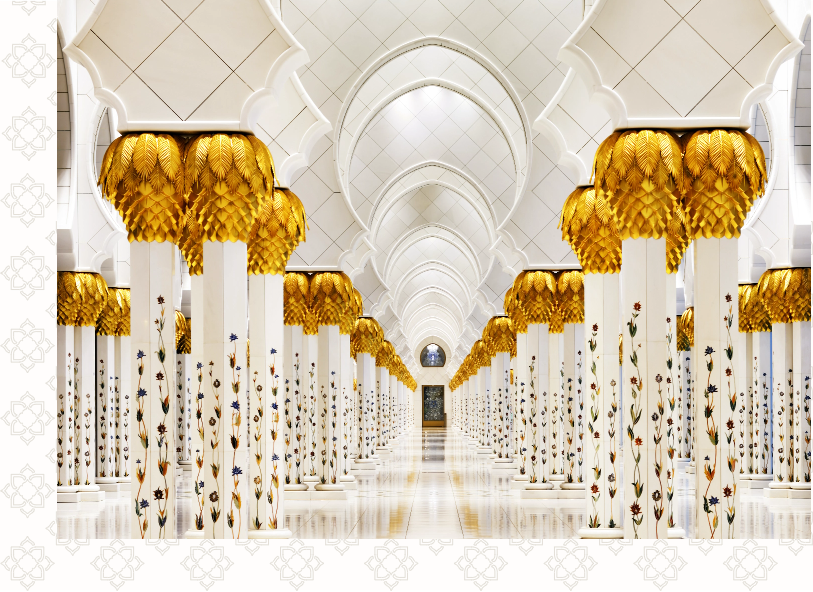




NUESTRA GRAN MEZQUITA